All tiles, Cement tiles, Premium Outlet %
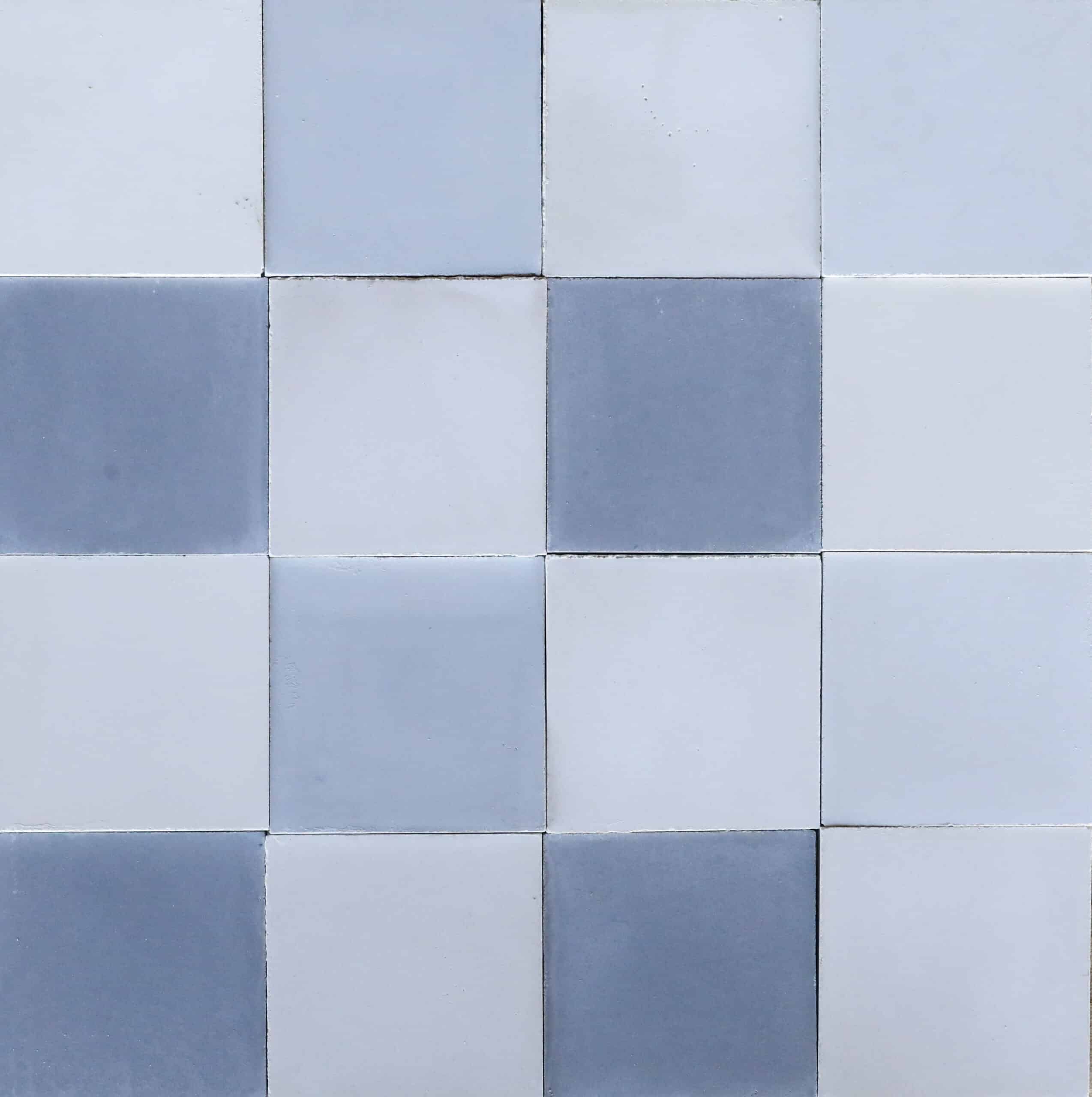
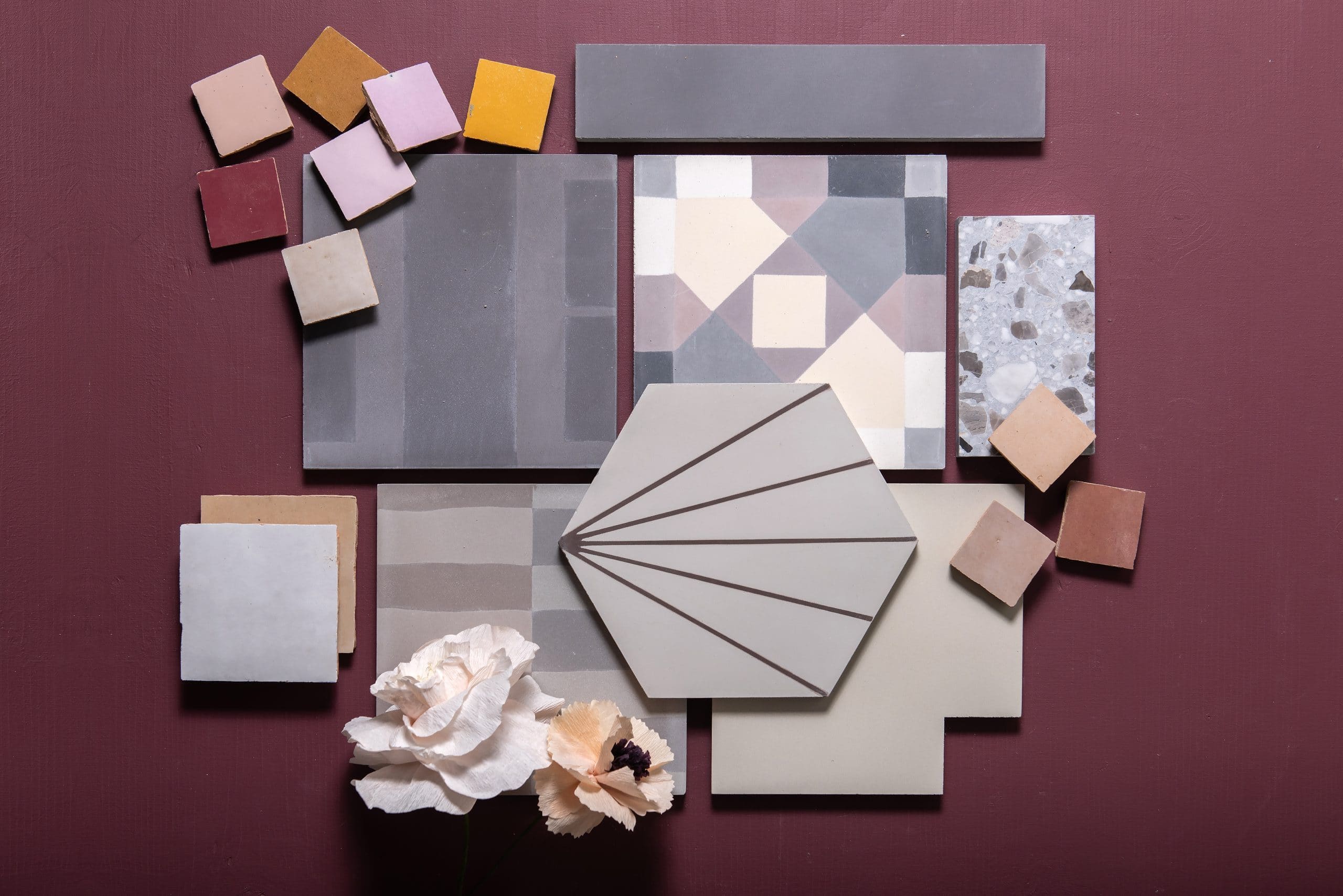
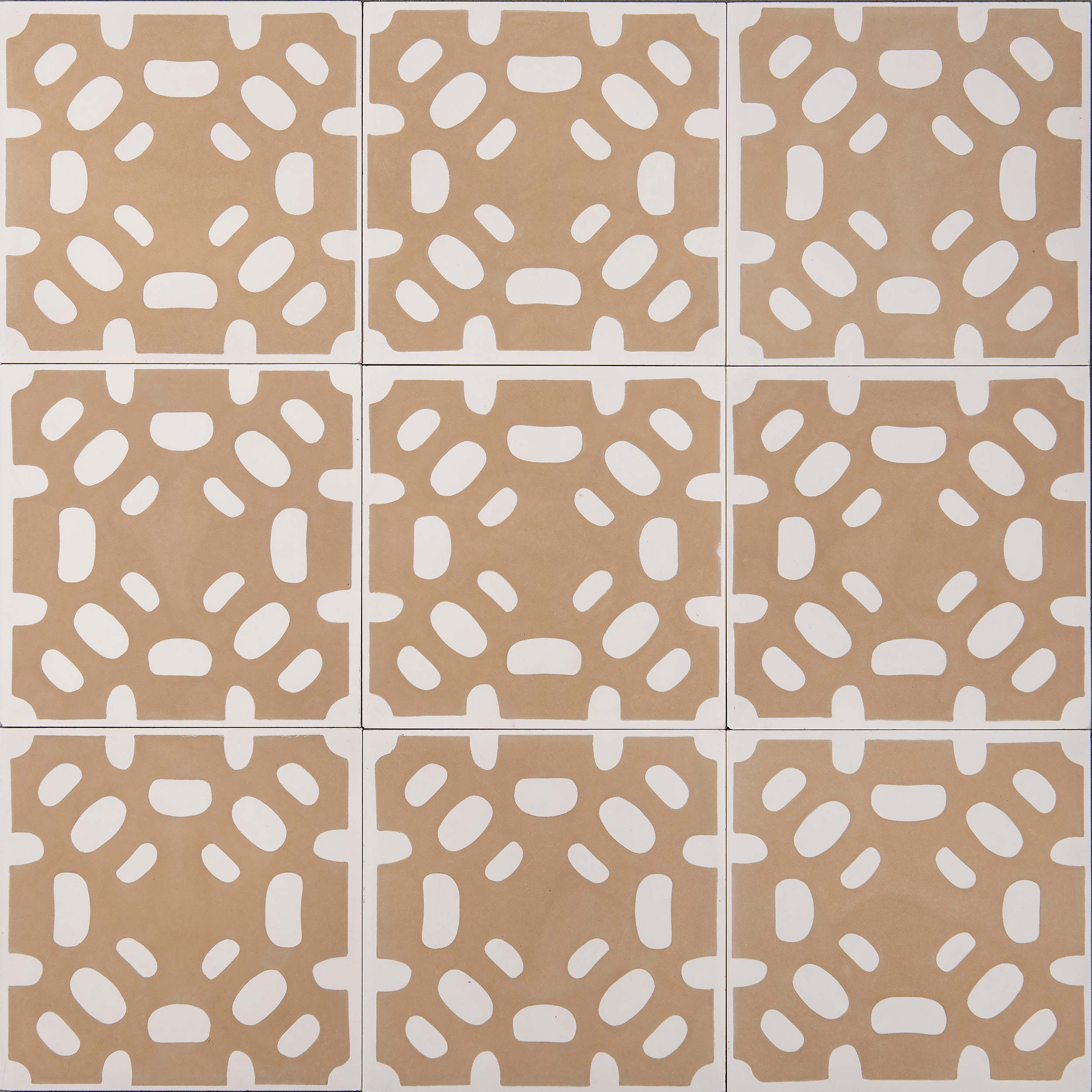
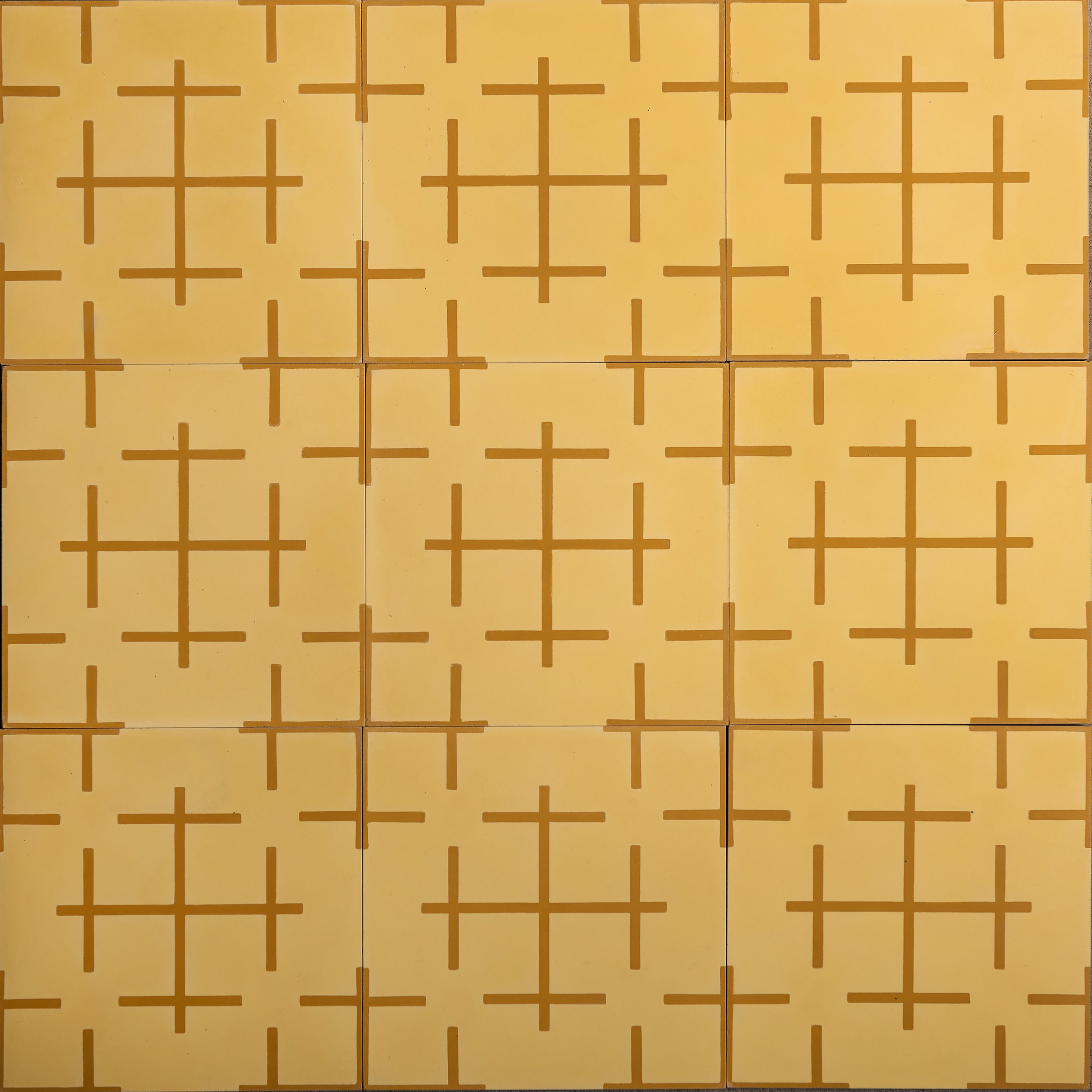
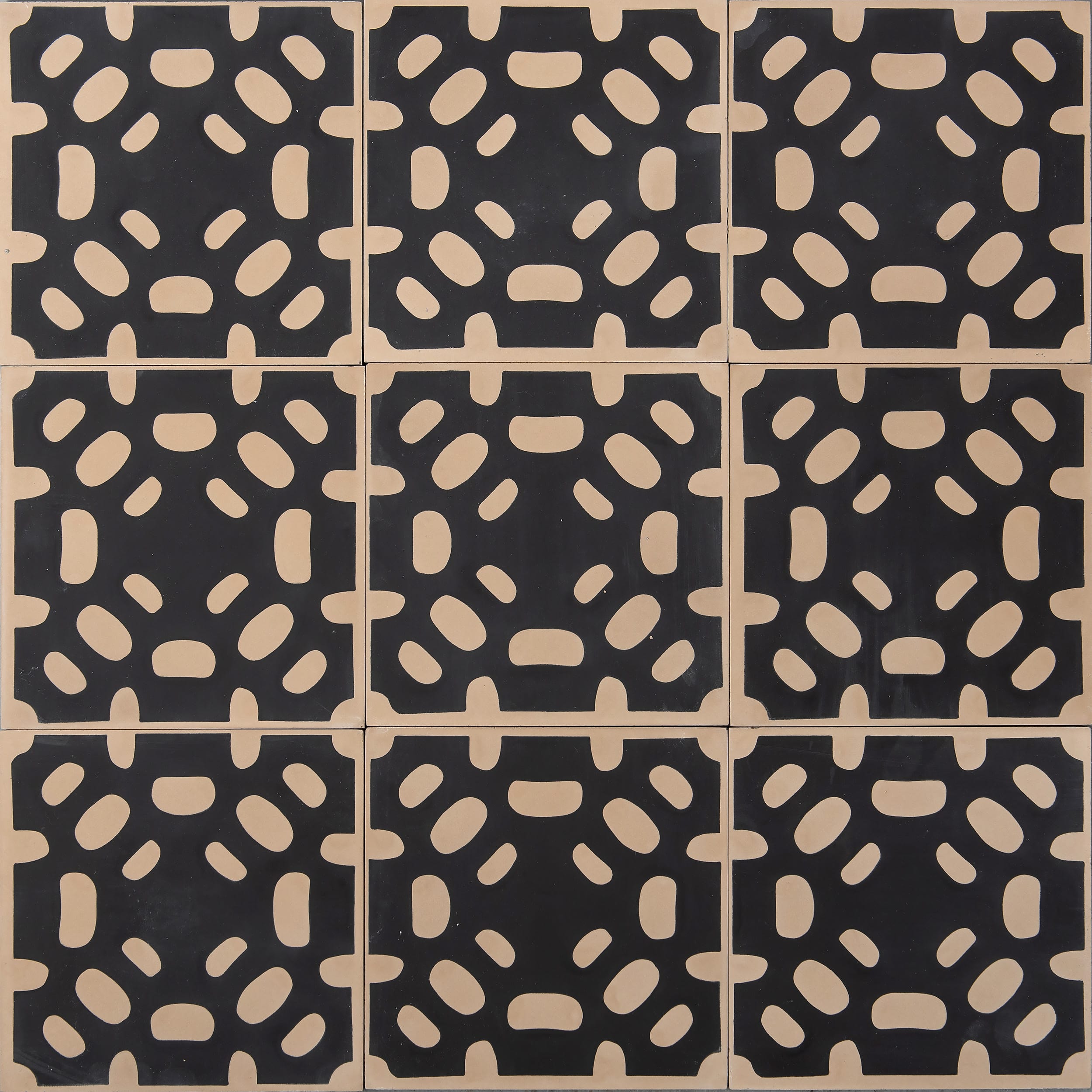
Grey Tones Patchwork 10×10
50,00 kr
Add sample to cart
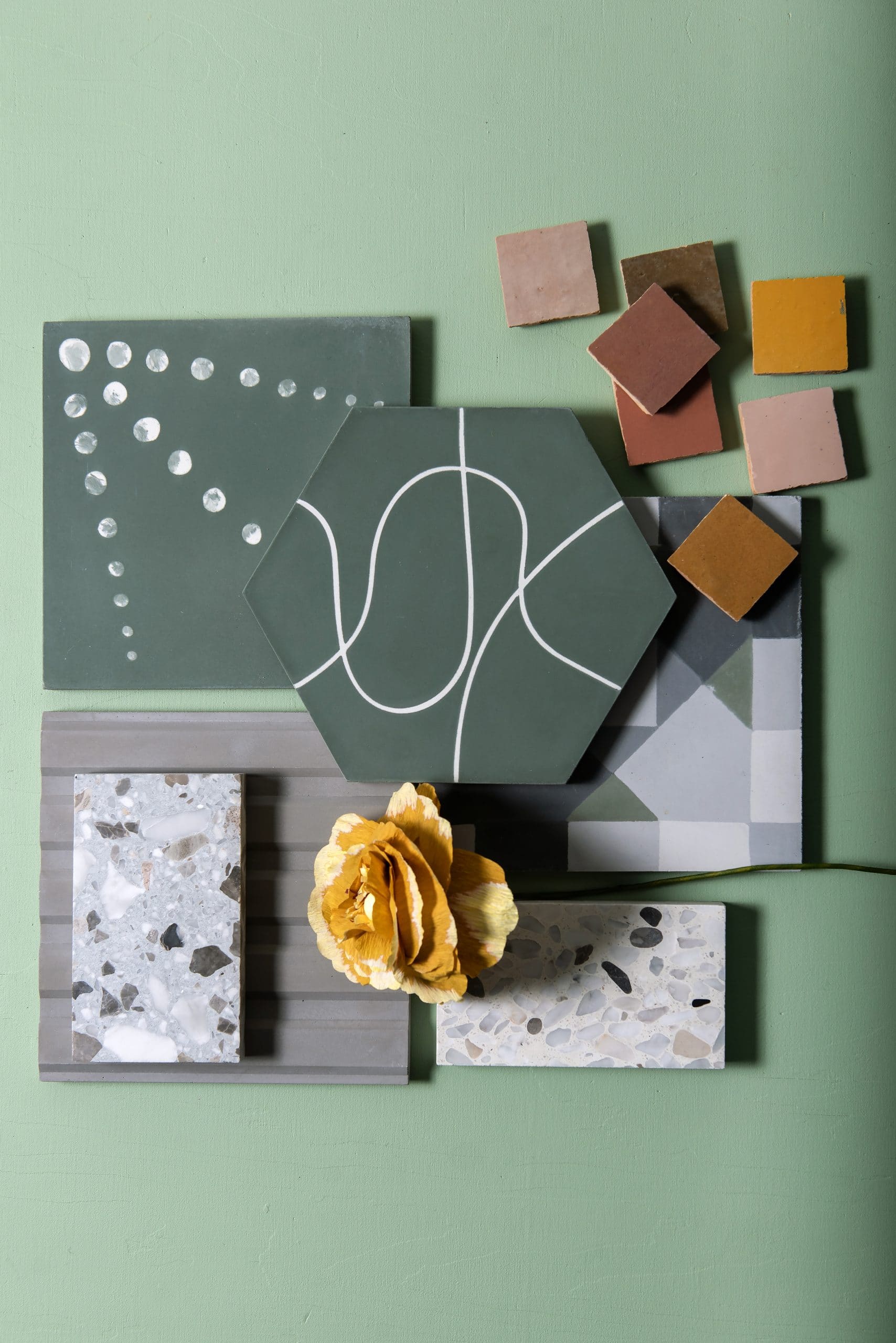
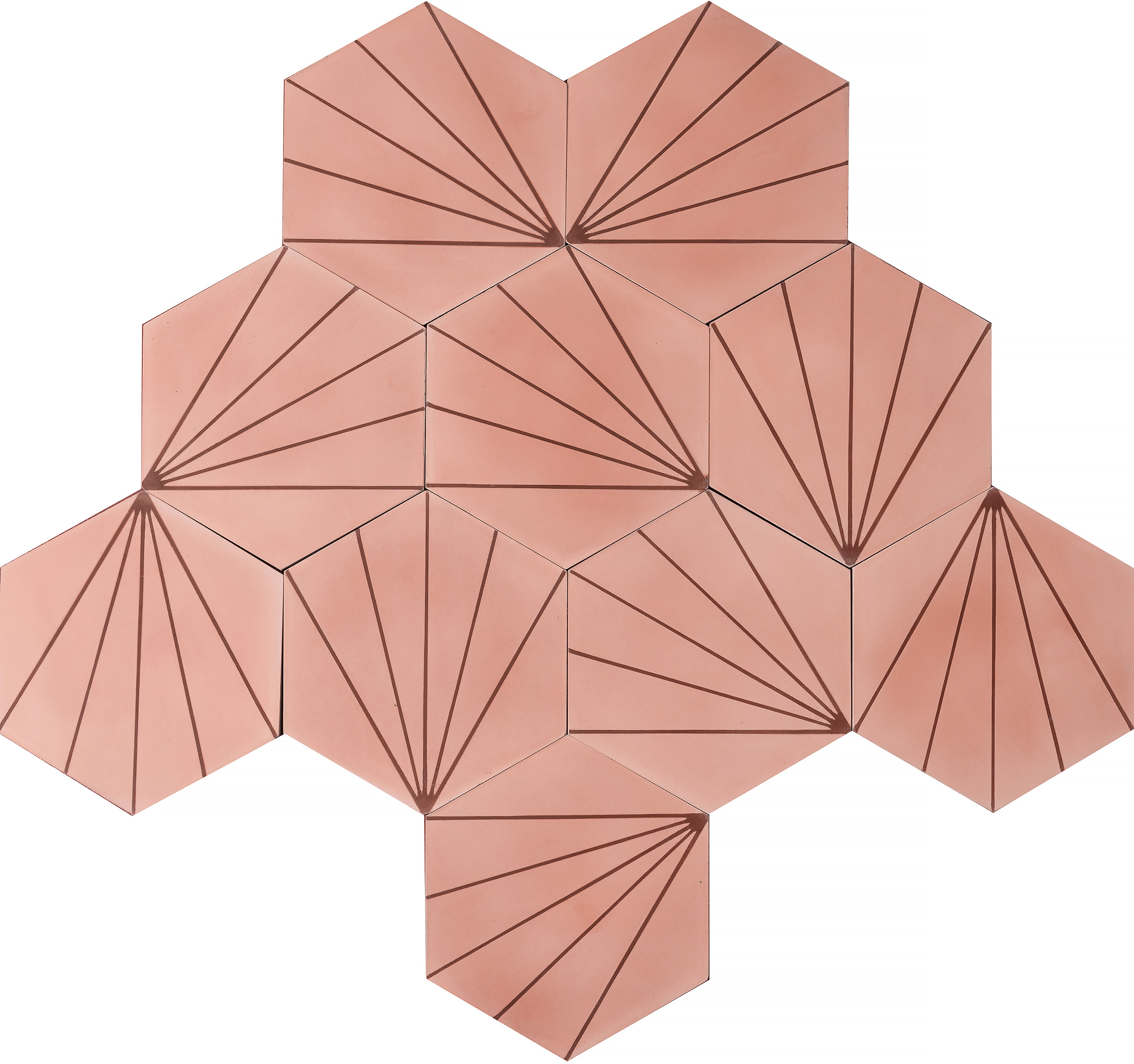
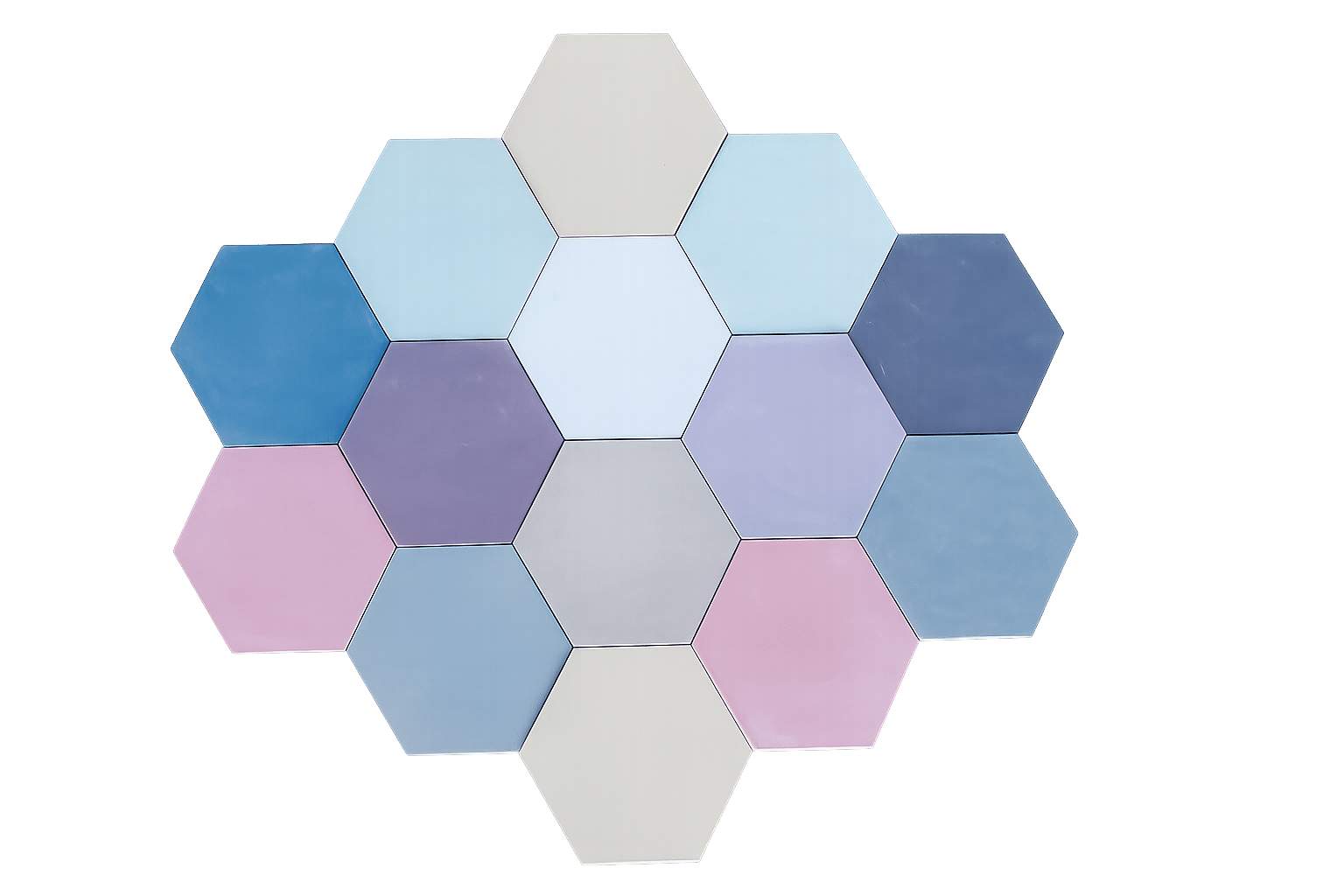
Our cement tiles are individually made by hand using traditional techniques. Natural pigments mixed with water, Portland cement, marble powder and sand are poured into metallic pattern moulds compartment by compartment, after which the tiles are hydraulically pressed and left to cure. Unlike ceramic tiles, they are not kiln-fired — their strength develops gradually through a natural curing process.
The coloured surface layer is approximately 3–4 mm thick, giving the tiles durability and a long lifespan while allowing the depth of colour to remain rich and enduring.
Because each tile is made by hand, slight variations in thickness, size and colour are part of the process. Irregular edges, softened pattern contours and gentle tonal shifts are natural characteristics — not flaws. Pigments and salts within the cement may rise to the surface, creating a subtle, sometimes chalky appearance reminiscent of limewash. These variations are particularly visible in solid-coloured tiles. A black tile, for example, will not be uniformly black but may shift between deep charcoal and softer greys. Likewise, a white tile may carry delicate nuances and a slightly clouded character.
Our cement tiles are not perfect — nor are they meant to be. Each tile carries its own personality. When viewed individually, the variations may seem pronounced. But once installed, it is precisely these differences that create harmony. Together, they form living surfaces full of depth, warmth and quiet movement.
The tiles carry a natural patina from the very beginning and will only grow more beautiful with time. These inherent characteristics enhance the material’s appeal and do not compromise performance — they are simply the mark of true craftsmanship.


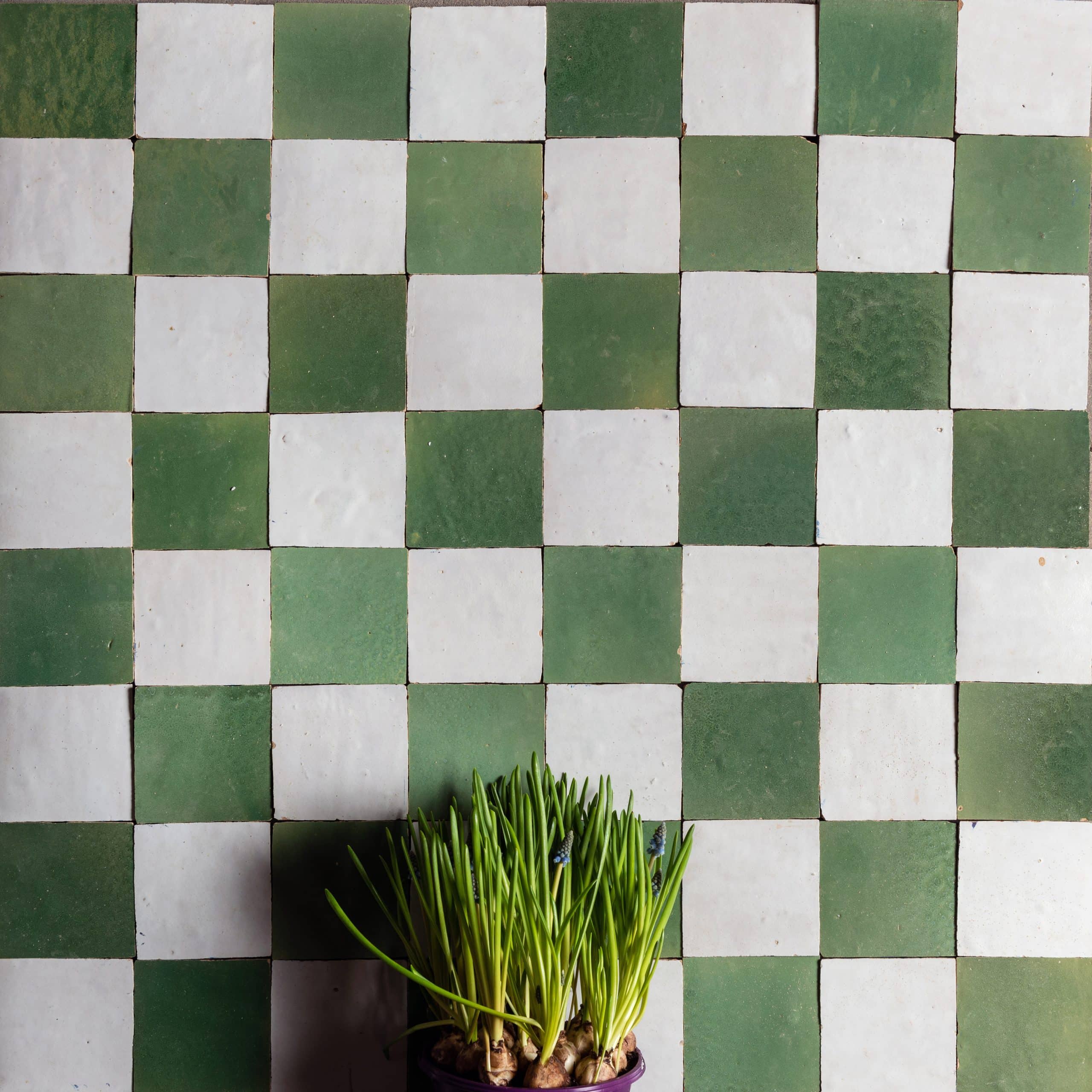
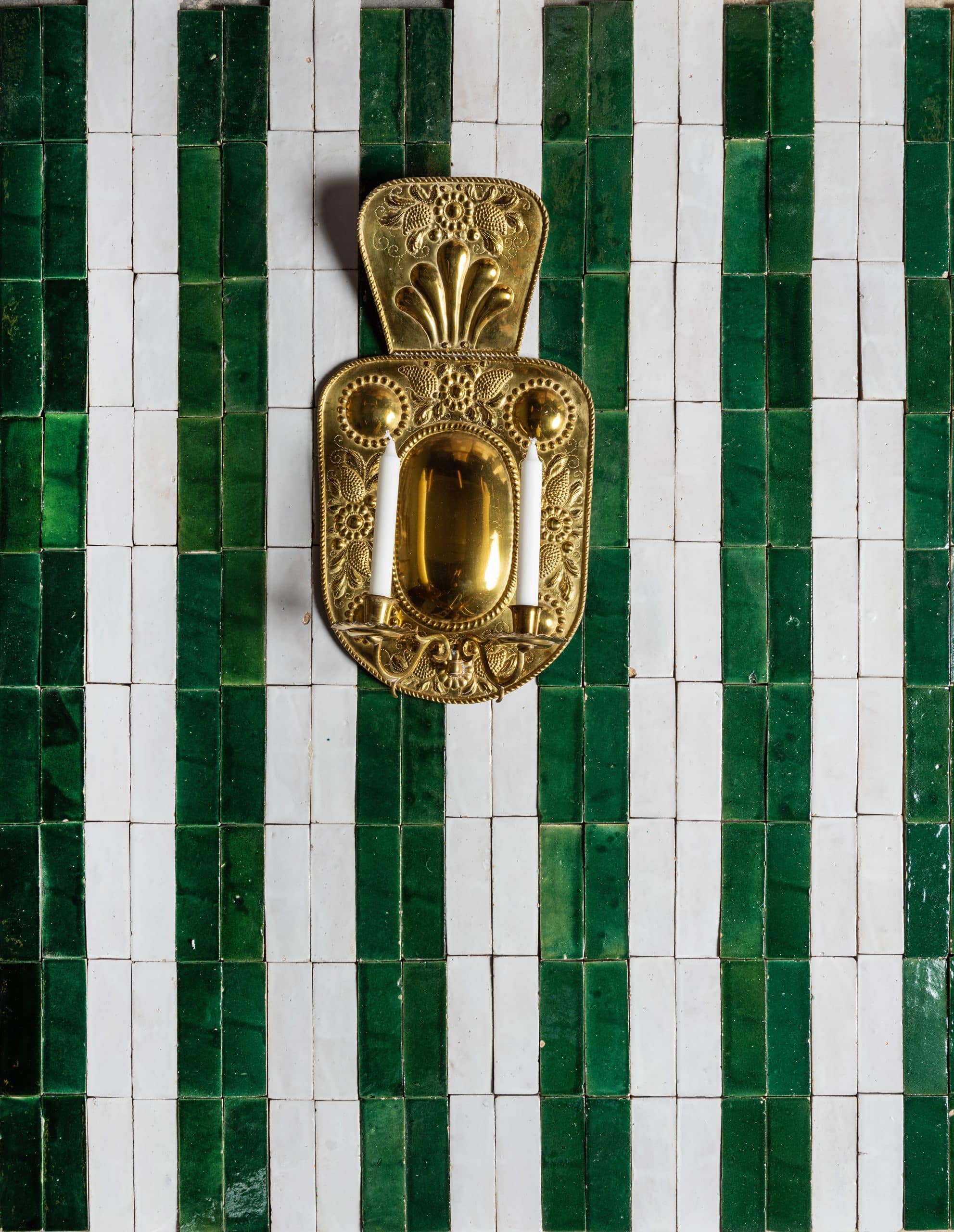
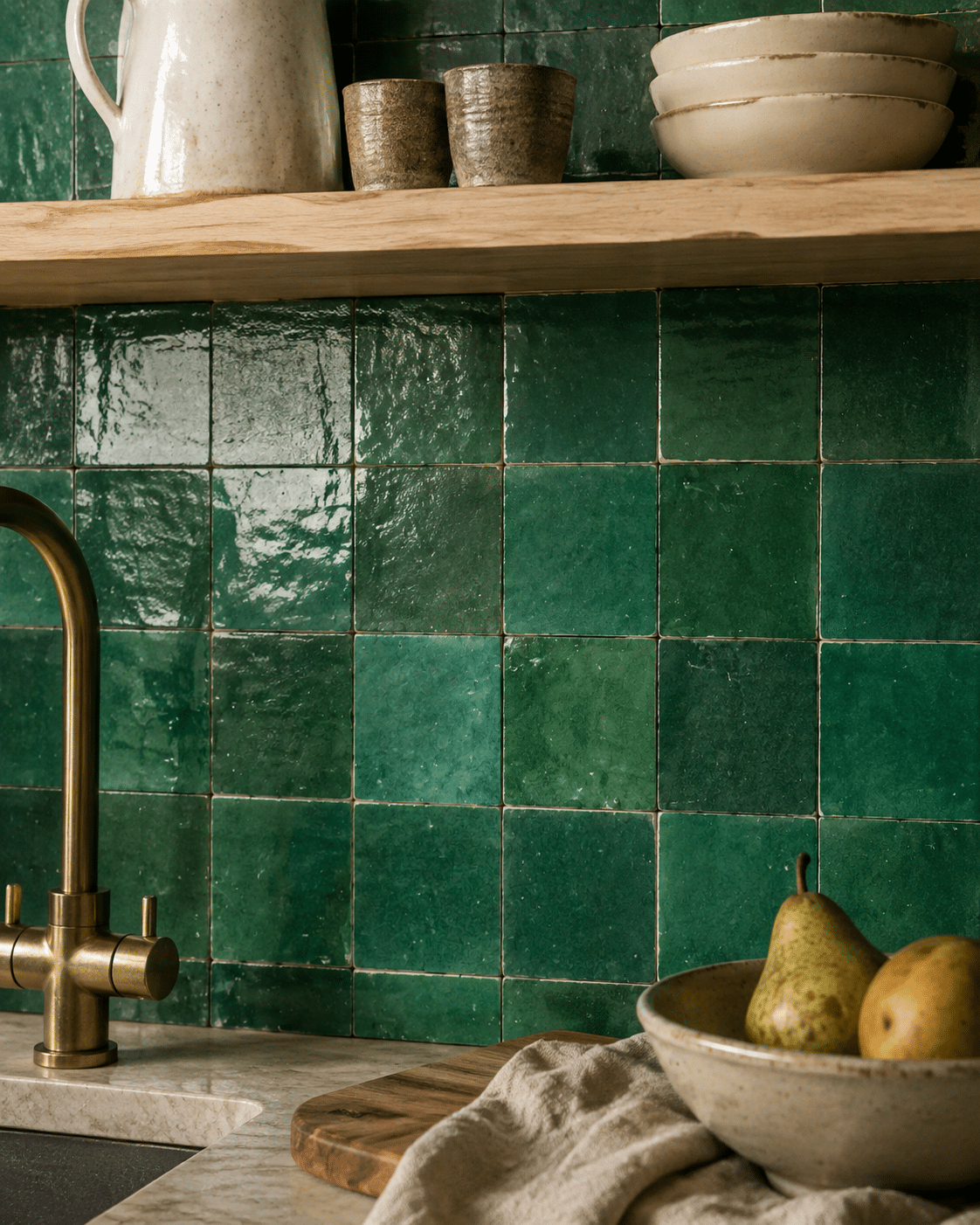
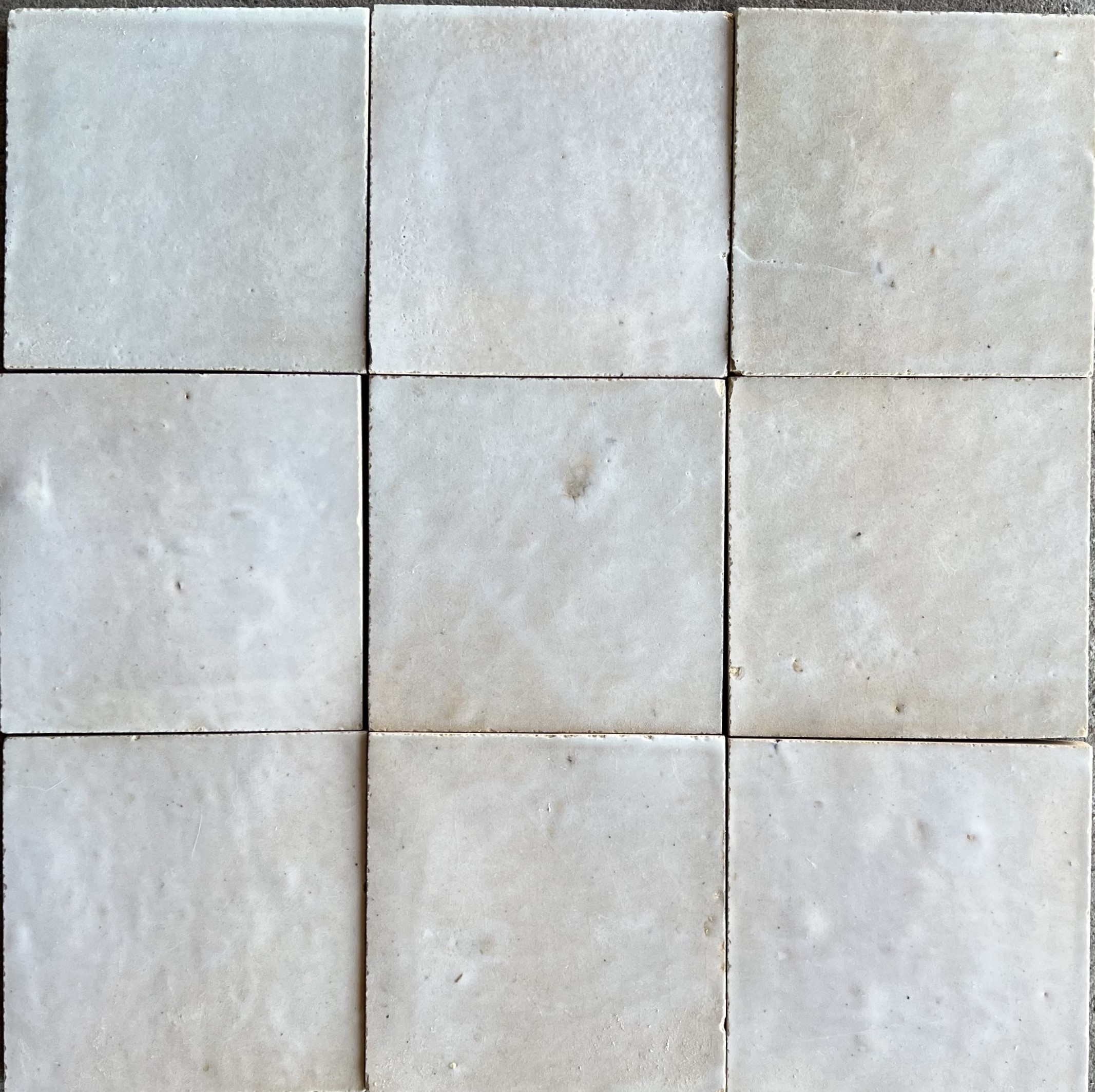
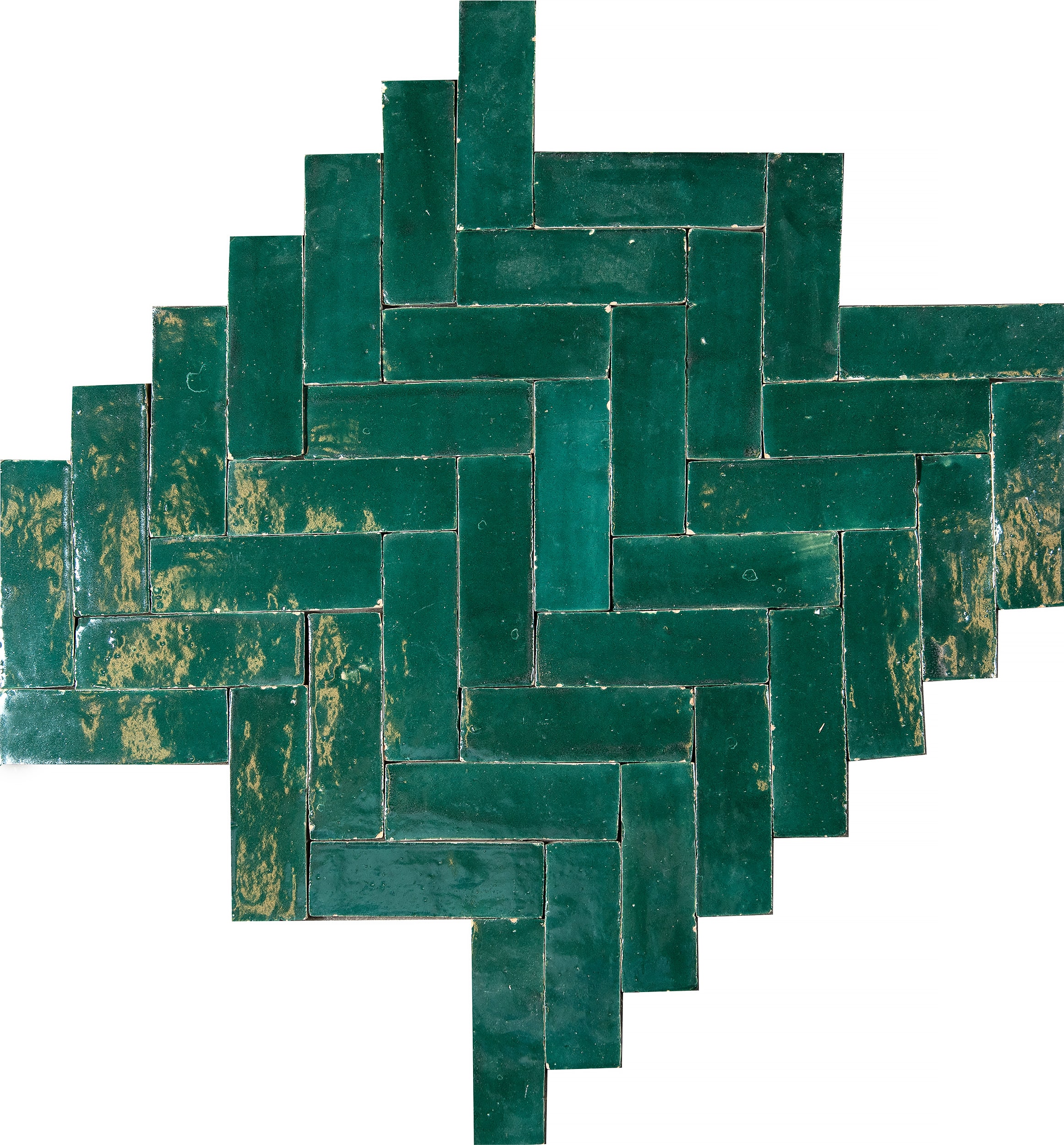
Our Zellige tiles are handmade clay tiles originating from the historic region of Fez in Morocco, where the craft has been refined over centuries. Each tile is moulded, cut and finished entirely by hand, following traditional methods passed down through generations.
The clay is mixed with water, kneaded and moulded individually before being left to dry naturally. It is then kiln-fired and glazed, allowing the surface to develop its distinctive depth and luminous quality. The hand-cutting process gives Zellige its characteristic irregular edges and organic geometry — a signature of true craftsmanship.
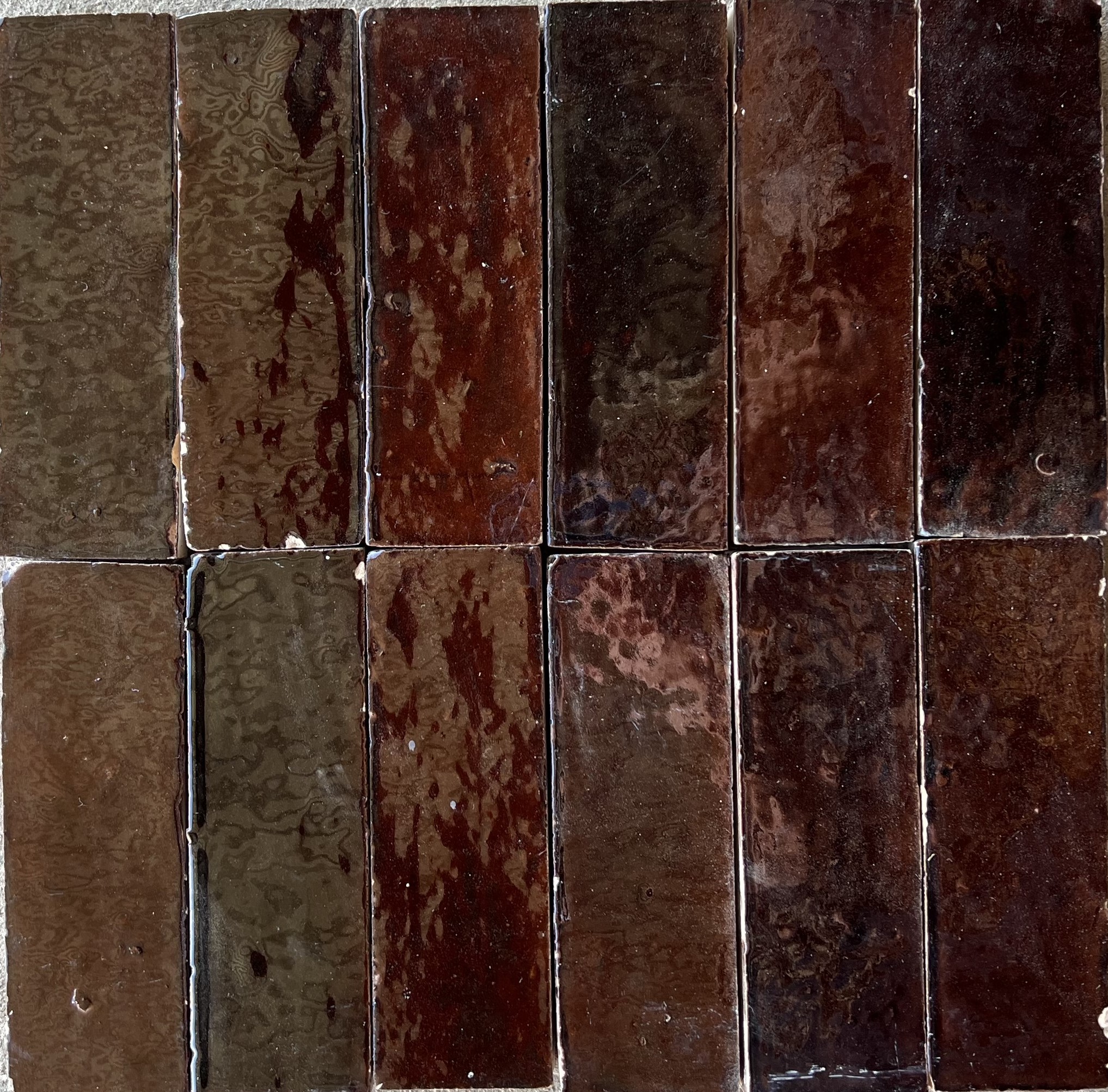
Because every tile is moulded and cut by hand, variations in shape, thickness and colour are inherent to the material. During firing, small bubbles, tonal shifts or subtle crackling may appear in the glaze. These are natural results of the traditional process and part of what gives Zellige its unique expression.
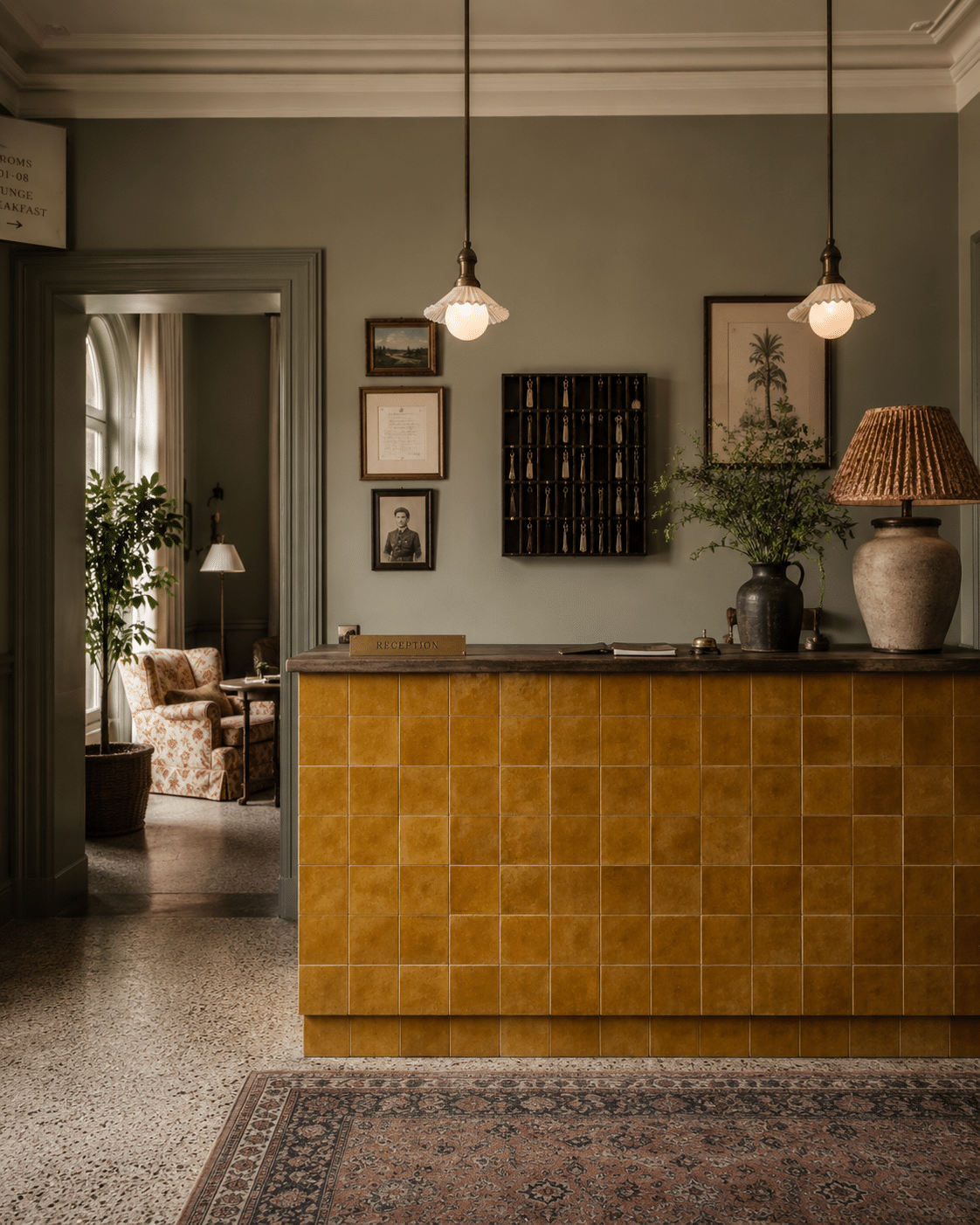
Individually, each tile carries its own nuances — slight differences in tone, gentle movement in the glaze, subtle shifts in reflection. When installed together, these variations interact beautifully with light, creating surfaces that feel alive and full of character. No wall will ever look exactly the same twice as the light changes throughout the day.
Our Zellige tiles are not perfect — nor are they meant to be. They are shaped by human hands, and each piece holds its own quiet personality. Together, they create harmonious surfaces rich in texture, depth and warmth.